Choosing the Right Flooring: The Questions You Really Need to Ask Yourself
Published: April 24, 2026
Let’s be honest: walking into a flooring store can feel like stepping into another world. Rows of hardwood, vinyl, cork, and laminate stare back at you like contestants on a game show. They all look beautiful. They all promise to be “the one.” But how do you actually choose the floor that’s right for your residence?
Here’s a secret: Before your first visit to a flooring store, you need to ask yourself these few essential questions to get started. There will be more to discuss with your dealer later, but these questions will give you a clear and confident starting point for choosing your flooring.
What’s my budget for product?
It may not be the most exciting question, but it is the foundation of every flooring decision.
At Opus Floors Canada 🍁, our collections are structured into three clear platforms: Foundation, Performance, and Signature. This lets you explore the same style or look across different price points, depending on what matters most to you.
Pricing in flooring is not random. It is influenced by key factors such as thickness, finish quality, construction, and overall performance. As you move through the platforms, you will see how these details evolve, giving you more options to match both your space and your expectations.
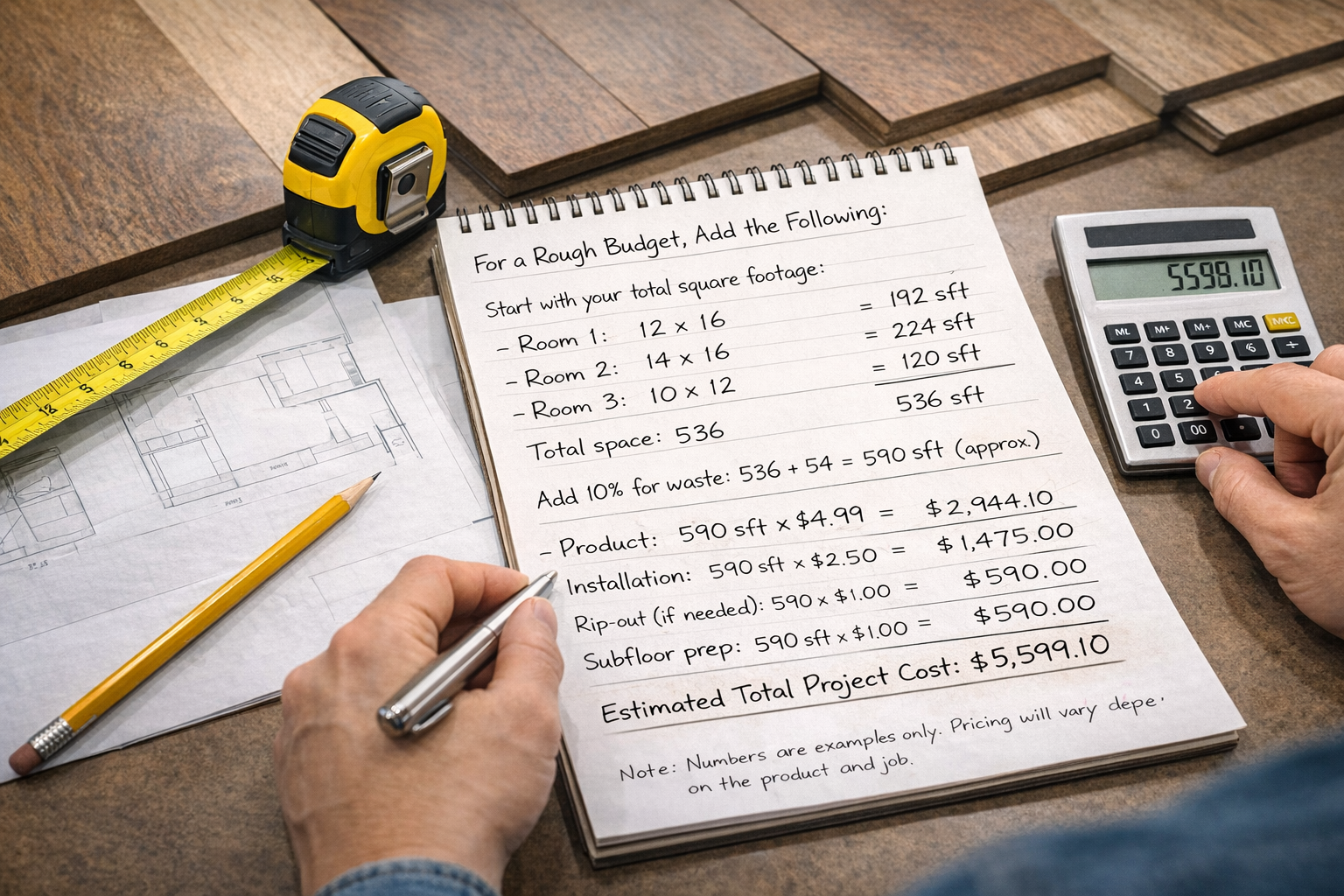
It is also important to think in real numbers. Flooring is usually priced by the square foot, so your total investment comes down to how much space you are covering multiplied by the price per square foot, plus any additional costs required to complete the job.
What additional costs do I need to plan for?
This is where your flooring project starts to take shape beyond just the product.
Will this be a do-it-yourself project, or will you be hiring a professional?
Installation is a key part of your overall budget, and it can vary depending on what needs to be done before the floor even goes in.
You may need to account for the removal of the existing floor, subfloor preparation, such as levelling, installation, baseboards, and finishing details.
Every project is different, and every product comes with its own installation requirements. For example, installing engineered hardwood is not the same as installing a floating vinyl floor.
These are important conversations to start thinking about and then have with your sales representative while you are in the store. They can walk you through what is involved based on the product you are considering and help you understand the full scope of the project.
Thinking about these costs early helps you plan properly, avoid surprises, and ensure your budget reflects the complete picture, not just the flooring itself.
What is my lifestyle?
Now that you have some idea of a budget, the right flooring choice becomes personal. Start thinking about your situation.
Your lifestyle sets the expectation for how your floor needs to perform, and higher expectations often lead to a higher investment.
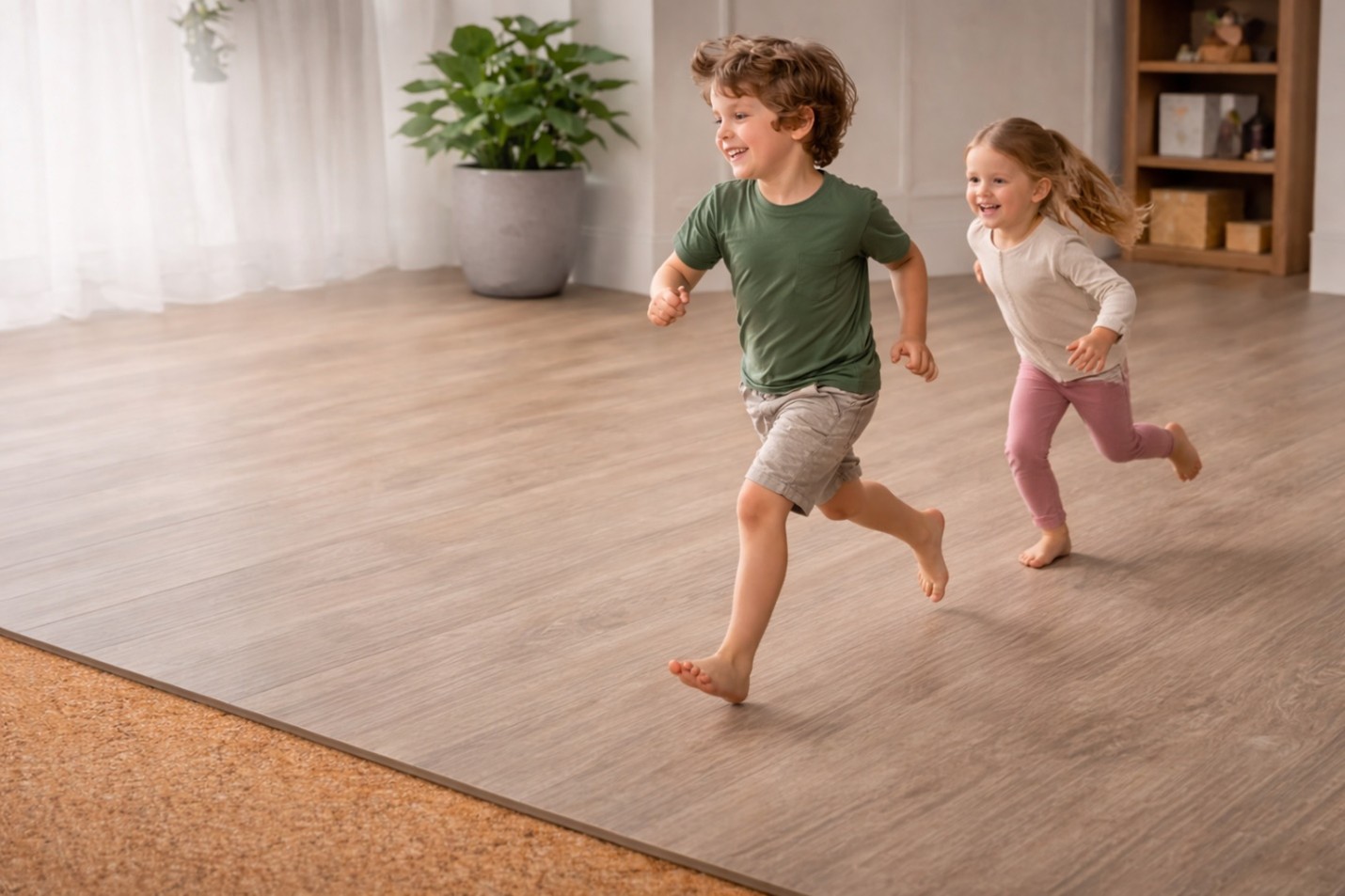
Think about how your residence is used every day. Do you have kids running through the space? Pets that bring in dirt and moisture? Is this a high-traffic area like a kitchen or entryway, or a quieter space like a bedroom or office? Is there a lot of light? How long do you plan to be in the residence?
Your lifestyle plays a big role in how your floor will perform over time, and this will also affect your budget and the flooring you choose.
For busy households, durability and ease of maintenance often become priorities. In other spaces, comfort, warmth, or design may take the lead. Areas like basements or cabins may also require more moisture-conscious choices depending on the environment.
You do not need to over complicate this process. Simply thinking about how you use your space will help guide you toward a floor that works for your day-to-day life. Your salesperson should also be asking these important questions to guide you to a product that works for you.
Bringing It All Together
Choosing the right flooring does not have to feel overwhelming. It simply starts with asking the right questions.
Understanding a flooring budget, thinking through the full scope of the project, and considering how your space is used every day will naturally guide you toward the right options. These steps help narrow the focus so you are looking at what truly works for your space.
Flooring is not just about how it looks on display. It is about how it performs in your residence, day after day, year after year.
When you visit a flooring store, come prepared. Ask questions about price per square foot, installation costs, product performance, and what is required for your specific project. A knowledgeable sales representative will be able to walk you through details and help you make a confident, informed decision based on your budget.
At the end of the day, the goal is simple. Find a floor that fits your life, your space, and your budget, and one that you will feel good about long after it is installed.
Written by Corinne Erickson
Freelance Writer | Opus Floors Canada 🍁
Read Original Article The Flooring Secret More Homes Are Discovering: Cork Underlay
Published: February 21, 2026
Have you noticed:
Basements that never seem to lose that musty smell?
Floors that feel colder than expected?
Noise transferring from upstairs to the rooms below?
Floors that feel harder or less comfortable to walk and stand on over time?
Extra time and cost spent preparing a subfloor before installation?
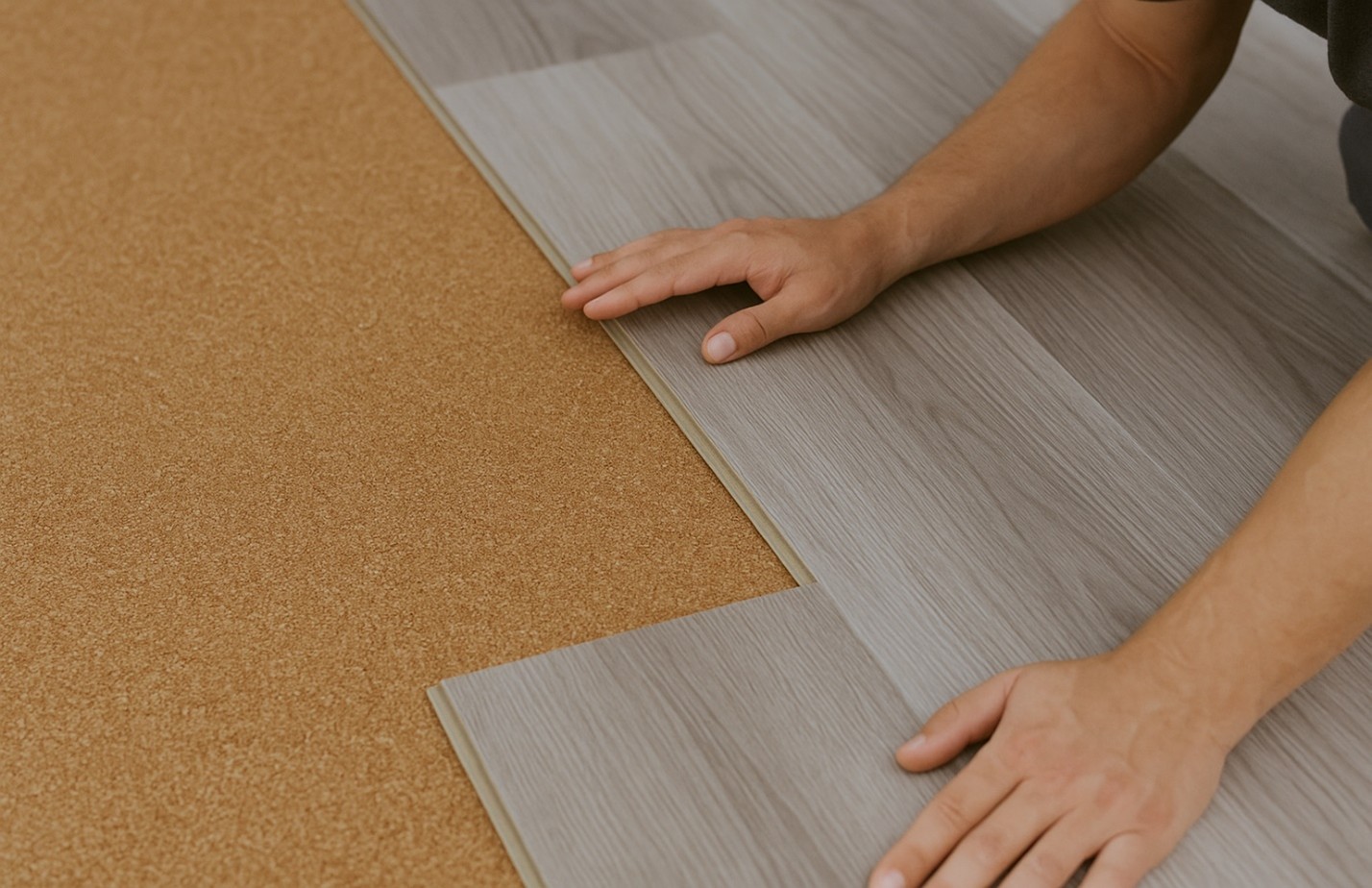
Many of these common flooring concerns are not caused by the finished surface, but by what lies beneath it. Cork underlay has become part of more flooring installations for exactly these reasons. When installed beneath engineered hardwood, laminate, or select floating vinyl floors, it plays a meaningful role in how a home feels, sounds, and performs over time. For homeowners, its benefits typically fall into five key areas:
Health Benefits
Warmth and Thermal Comfort
Acoustic Performance and Sound Ratings, including IIC and STC
Underfoot Comfort and Structural Support
Reduced Subfloor Preparation
Cork Underlay manufacturers Canada
How important is Healthier Flooring?
People are paying closer attention to the materials they bring into their homes and how those choices affect health, comfort and well-being over time. If family members suffer from allergies, or have sensitivities, cork subfloor is a wonderful addition to the home. Cork contains a naturally occurring substance called suberin, which contributes to its antimicrobial properties. This helps make cork resistant to mould growth. Its resistance to moisture and microbial growth makes cork underlay especially valuable in basements, condos, and multi family spaces where air quality and comfort are often a concern. Customer feedback tells the story clearly. Basements that no longer smell musty. Floors that feel more comfortable. Homes that feel cleaner over time. Cork underlay may never be visible once installation is complete. But its health impact is.
Warmth and Thermal Comfort
One of the first things homeowners notice after installation is how a floor feels underfoot. This added thermal performance can be especially valuable in:
Basements built over concrete slabs • Ground floor spaces in cooler climates • Condos and multi family buildings • Homes where comfort is a year round priority
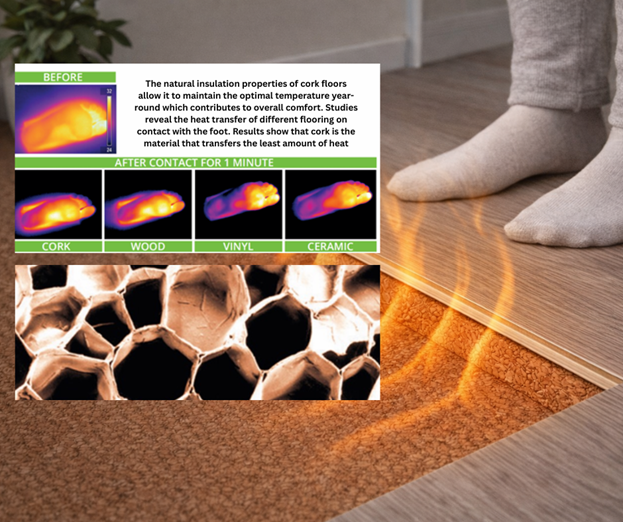
Cork’s cellular structure consists of millions of air filled chambers that naturally slow heat transfer through the floor assembly. This allows finished floors to maintain a more consistent surface temperature throughout the year. By reducing cold transfer from below, cork underlay helps create rooms that feel more inviting without changing the look of the finished floor above. Cork underlay becomes a practical way to improve everyday warmth and comfort while supporting the long term performance of the entire flooring system.
What benefits Does Cork Offer for Sound Resistance?
Sound control matters in all types of homes, not just high-rise buildings. In single-family houses, noise from upstairs foot traffic, kids running across floors, or late-night movement can easily transfer to the rooms below. In multi-family projects and condos, sound performance is often written directly into building requirements and association rules. This is where IIC (Impact Insulation Class) and STC (Sound Transmission Class) ratings come into play. IIC measures how well a floor system reduces impact noise such as footsteps or dropped objects, while STC focuses on limiting airborne sound like conversation or television noise between levels. Because cork naturally absorbs vibration and cushions impact, it helps improve the acoustic performance of a floor assembly, whether the goal is everyday household comfort or meeting formal sound control standards. For upper-floor installations or busy family homes, cork underlay can help create quieter spaces below while contributing to a more comfortable living environment overall.
Underfoot Comfort and Structural Support
Beyond warmth and acoustics, cork underlay plays a critical role in how a floor system performs day to day. Walking on hard surface floors creates energy with each step that travels upward through the feet, legs, and back. Over time, repeated impact can contribute to fatigue and muscular tension. Cork’s natural resilience helps absorb impact and reduce vibration, easing strain on joints and muscles. Like a cushioned athletic surface, cork provides gentle support beneath floating floor systems, contributing to improved comfort during everyday movement. Its compressibility also helps distribute weight evenly across the subfloor and reduces stress on locking mechanisms in floating floor systems. Over time, that can:
Minimize cracking and surface marking • Protect joining systems from fatigue • Reduce wear caused by minor subfloor imperfections • Increase the service life of the finished floor
It also supports everyday furnishings. Cork compresses slightly under weight and then rebounds, helping distribute pressure from sofas, tables, and appliances while reducing long term stress on the flooring system.
Reduced Subfloor Prep
Another great benefit of cork underlay is it can be used for Subfloor preparation can be one of the most time consuming and costly parts of an installation. Cork underlay’s natural resilience helps absorb minor subfloor irregularities, which may reduce the need for additional levelling in some applications. For installers, this can contribute to a more efficient installation process when working with engineered hardwood, laminate, or select floating vinyl floors.
In Conclusion
Cork underlay may never be visible once installation is complete, but its influence on home health, comfort, durability, long term performance, and subfloor preparation is hard to miss. Understanding what lies beneath the surface leads to better flooring decisions and better living spaces for clients purchasing new flooring and investing in their homes and their family’s future.
Written by Corinne Erickson Freelance Writer | Opus Floors Canada 🍁
Read Original Article